Facial care
Dark spots on the face: common types and daily care for your skin
Dark spots on the face are very common under the tropical sun. Understanding where they come from helps you care for them consistently, without magic promises.

Dark spots on the face are one of the most common skin concerns, and in a country with strong sun all year round like Panama, that is no surprise. The good news is that understanding where they come from helps you care for them better. The honest part is that no product erases them overnight.
The most common spots, in plain language
Not all spots are the same, which is why a dermatologist should confirm which type you have, especially if a spot changes shape or color or appears suddenly. Broadly, the most common ones are:
- Sun spots: darker areas on the forehead, cheekbones, nose, or hands that show up after years of unprotected sun exposure.
- Melasma: brownish patches, often symmetrical on the cheeks, forehead, or upper lip. It is linked to sun, heat, and hormonal factors, and it tends to come back when protection slips.
- Marks left by breakouts: after acne or a small wound, the skin can leave a dark mark that takes time to fade, especially if it was picked at.
With dark spots, daily consistency matters more than any quick fix.
Sunscreen is habit number one
Sunlight stimulates pigmentation, so sunscreen is the foundation of any care routine. A few ideas to make it actually work:
- Wear it every day, even when it is cloudy or you will spend the day at the office near a window.
- Apply a generous amount to your whole face, neck, and ears.
- Reapply if you are outdoors, sweating, or wiping your face with a towel.
- Add shade and a hat during peak sun hours; sunscreen is not a complete shield.
The American Academy of Dermatology guide on how to apply sunscreen explains the recommended amount and frequency.
Habits that also help
- Do not pick at pimples or scabs: squeezing or scratching makes a dark mark more likely.
- Gentle cleansing: rubbing hard or using harsh scrubs can irritate the skin and, in skin prone to pigmentation, make it worse.
- Daily hydration: well-hydrated skin tolerates its routine better and looks more even.
- Patience with products: if a dermatologist recommends an active ingredient, give it time and use it as directed.
When to see a doctor
See a dermatologist if a spot is new and growing, has irregular edges, several colors, bleeds, or itches. Also see one if your spots worry you and you want to know exactly what type you have before choosing products. Diagnosis is a medical job; our role is to support the aesthetic care of your skin.
How THA can help
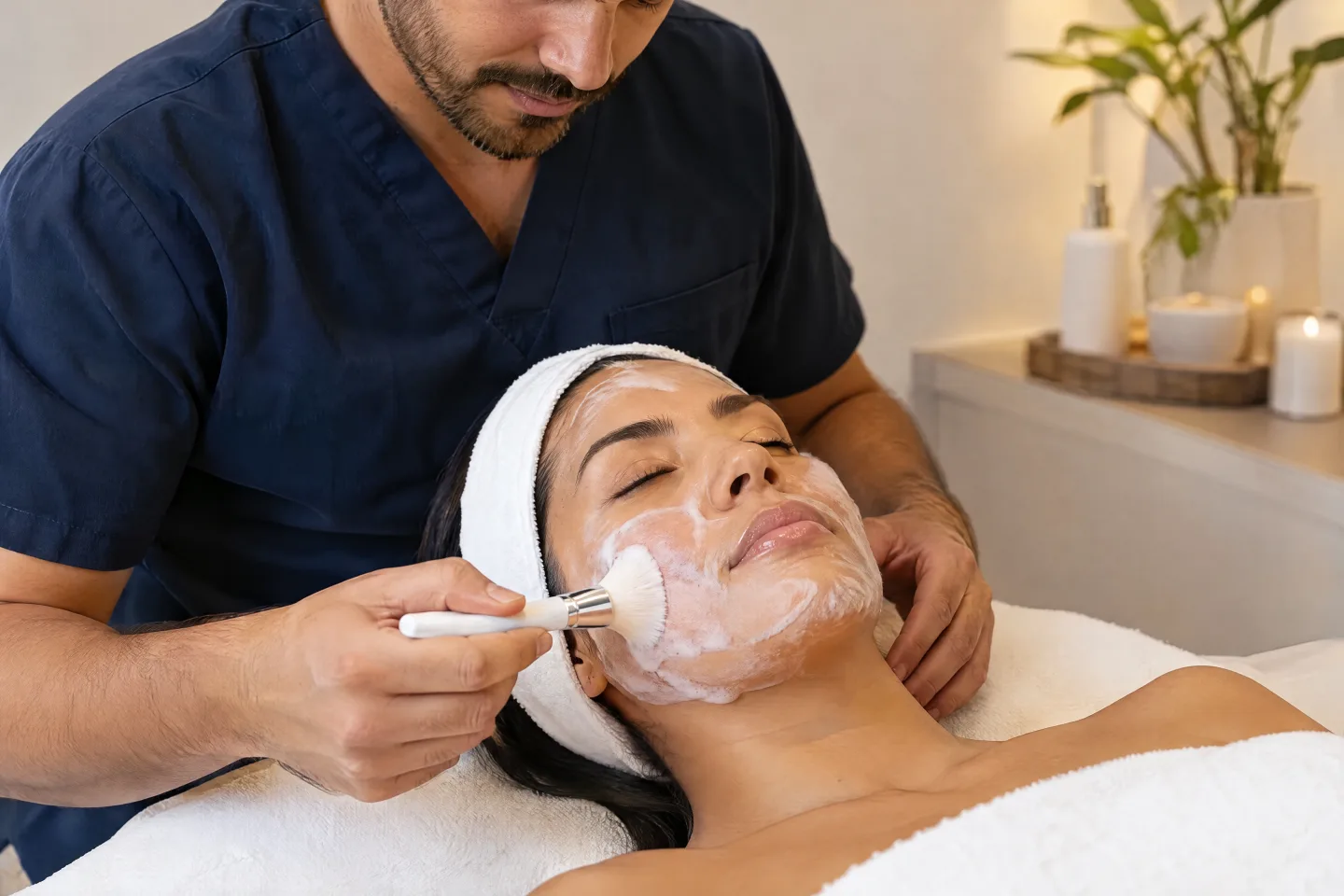
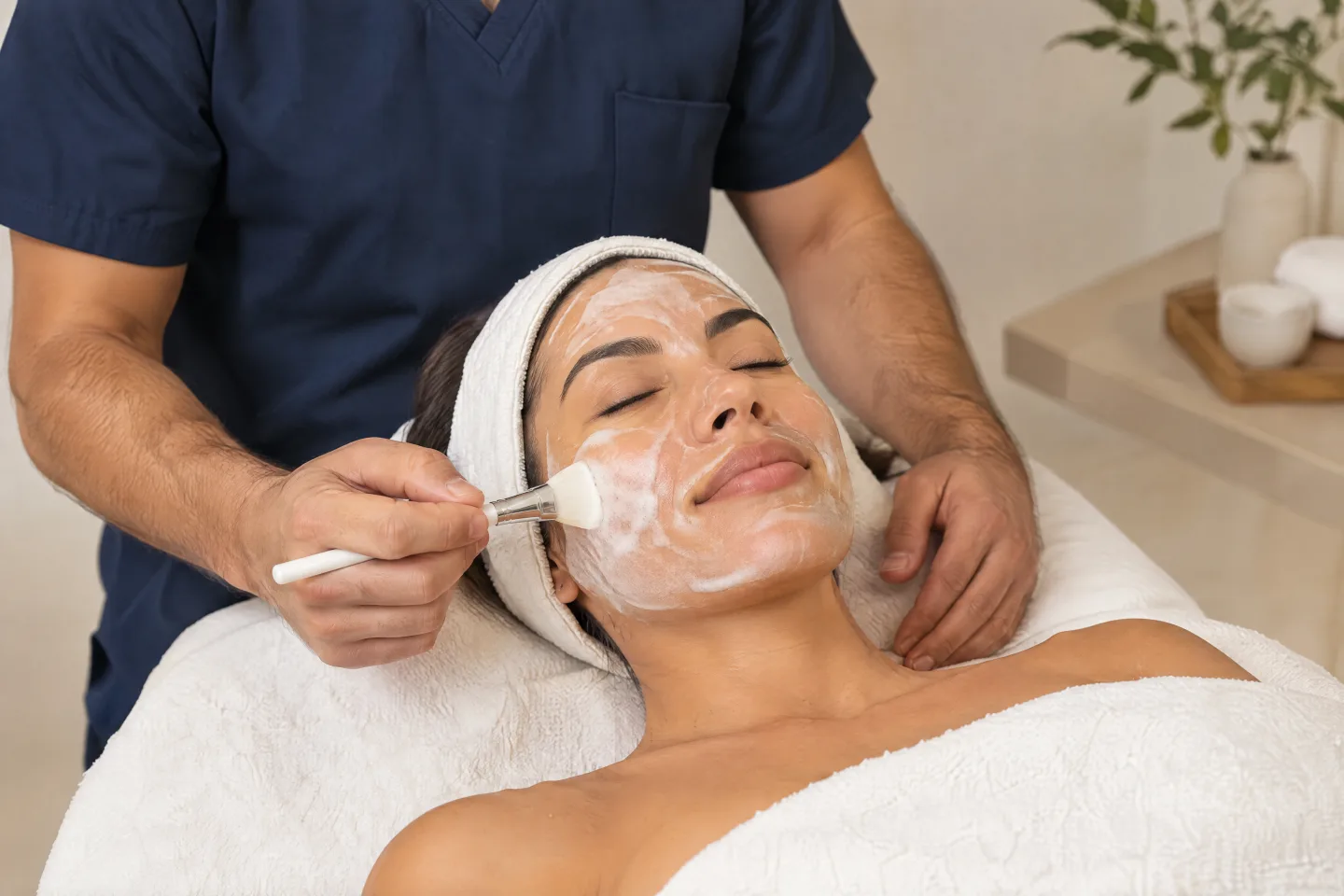
At our aesthetic studio in Obarrio we can carry out a skin assessment to look at hydration, sensitivity, and texture, and guide you toward a realistic routine. If your skin allows it, a deep facial cleansing helps keep it clean and cared for as part of that routine, always alongside daily sunscreen.