Everyday wellbeing
Cellulite or orange-peel skin: what drives it and what really helps
Cellulite is extremely common and it is not a health problem. Understanding it helps you choose realistic habits and care, without miracle promises.
Cellulite, often called orange-peel skin, is the dimpled texture that frequently shows up on the thighs, buttocks, or abdomen. It is so common that most adult women have it at some point, regardless of their weight or activity level. It is not a disease or a sign of neglect: it is a feature of how the skin and the fat tissue beneath it are organized.
First, an important clarification
This article is about cosmetic cellulite. There is a different condition that shares the name in Spanish, infectious cellulitis, which is a skin infection: the area looks red, hot, and swollen and is usually painful. It has nothing to do with orange-peel skin and needs prompt medical attention.
Why does orange-peel skin appear?
Beneath the skin there are bands of tissue that connect it to deeper layers. When fat tissue pushes up between those bands, the surface looks uneven. Several factors play a role:
- Genetics: if it is common in your family, you are more likely to have it.
- Hormones: which is why it is much more frequent in women.
- Age: skin loses firmness over the years and the texture becomes more noticeable.
- Lifestyle: inactivity and weight changes can make it more visible.
Cellulite can be softened and cared for, but no product or treatment removes it for good.
Habits that help
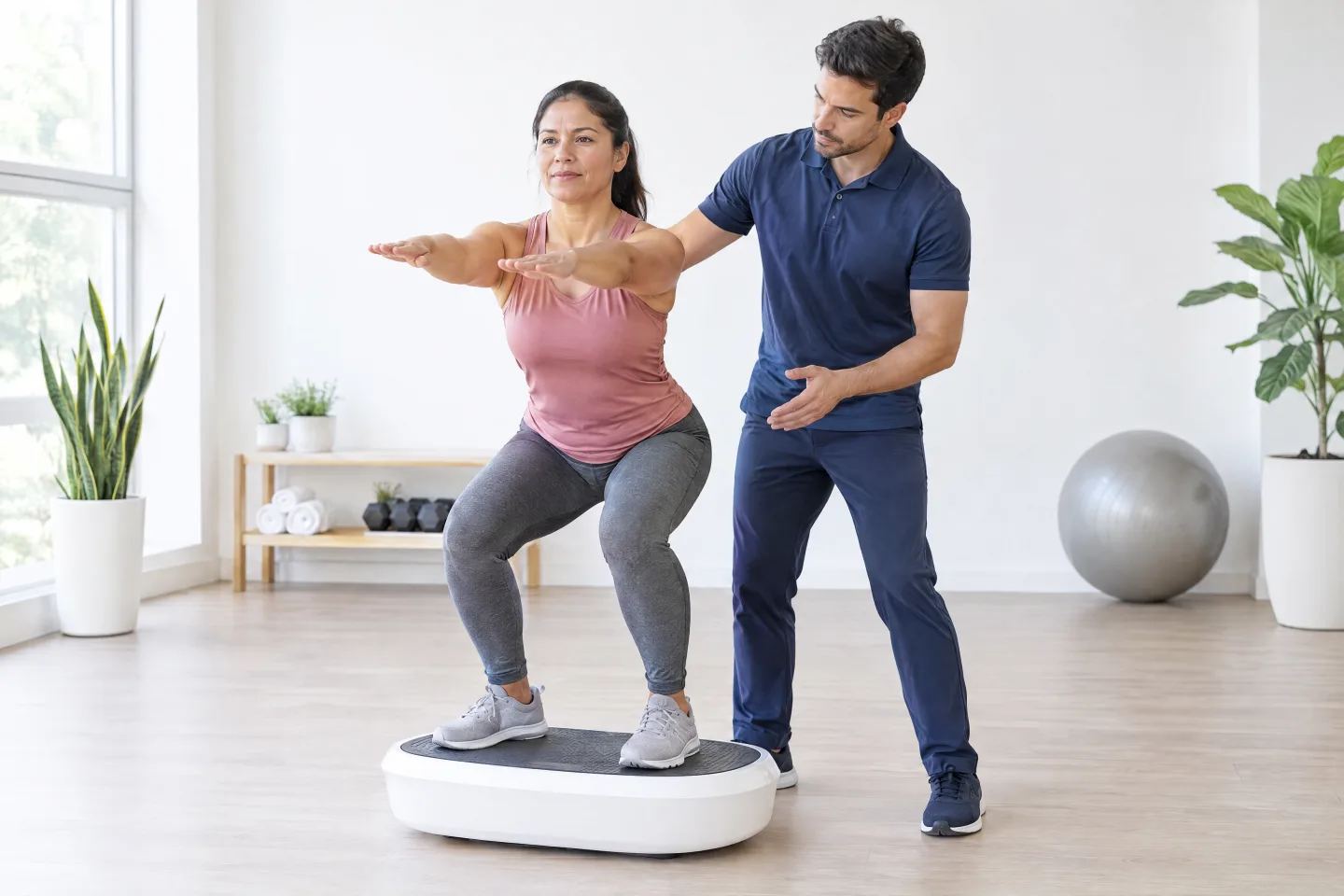
- Move regularly: strength training for legs and glutes, together with aerobic activity, improves muscle tone and how the area looks.
- Break up sitting time: getting up and walking for a few minutes several times a day adds up.
- Eat well: balanced eating helps keep your weight stable, and sharp weight changes tend to make the texture more visible.
- Moisturize your skin: a moisturizer applied with a gentle massage temporarily improves how the surface looks.
- Protect yourself from the sun: sun damage weakens skin over time, and that includes your legs.
What to expect from products
"Anti-cellulite" creams can improve hydration and how your skin feels, but their effects are usually mild and temporary. Be wary of promises of permanent results in just a few days.
Where an aesthetic treatment fits in
At an aesthetic studio, body radiofrequency is one of the most common options for working on the appearance of skin with cellulite. It applies controlled heat to the area, with no needles, and is usually done over several sessions. It can help skin look firmer and more even, especially when combined with exercise and healthy habits. Results vary from person to person, and it is not a permanent solution.
If you have a medical condition, are pregnant, or are unsure whether a heat-based treatment is right for you, check with your doctor first.
How THA can help
At our aesthetic studio in Obarrio we offer an aesthetic cellulite treatment using body radiofrequency, starting with an assessment to get to know your skin and set realistic expectations. If you want to add the exercise side, we can also support you with personal training.