Everyday wellbeing
Lower back pain from long hours of sitting: posture, breaks, and gentle mobility for your lower back
Your lower back loves movement. Changing position often usually helps more than chasing the perfect posture and staying frozen in it.
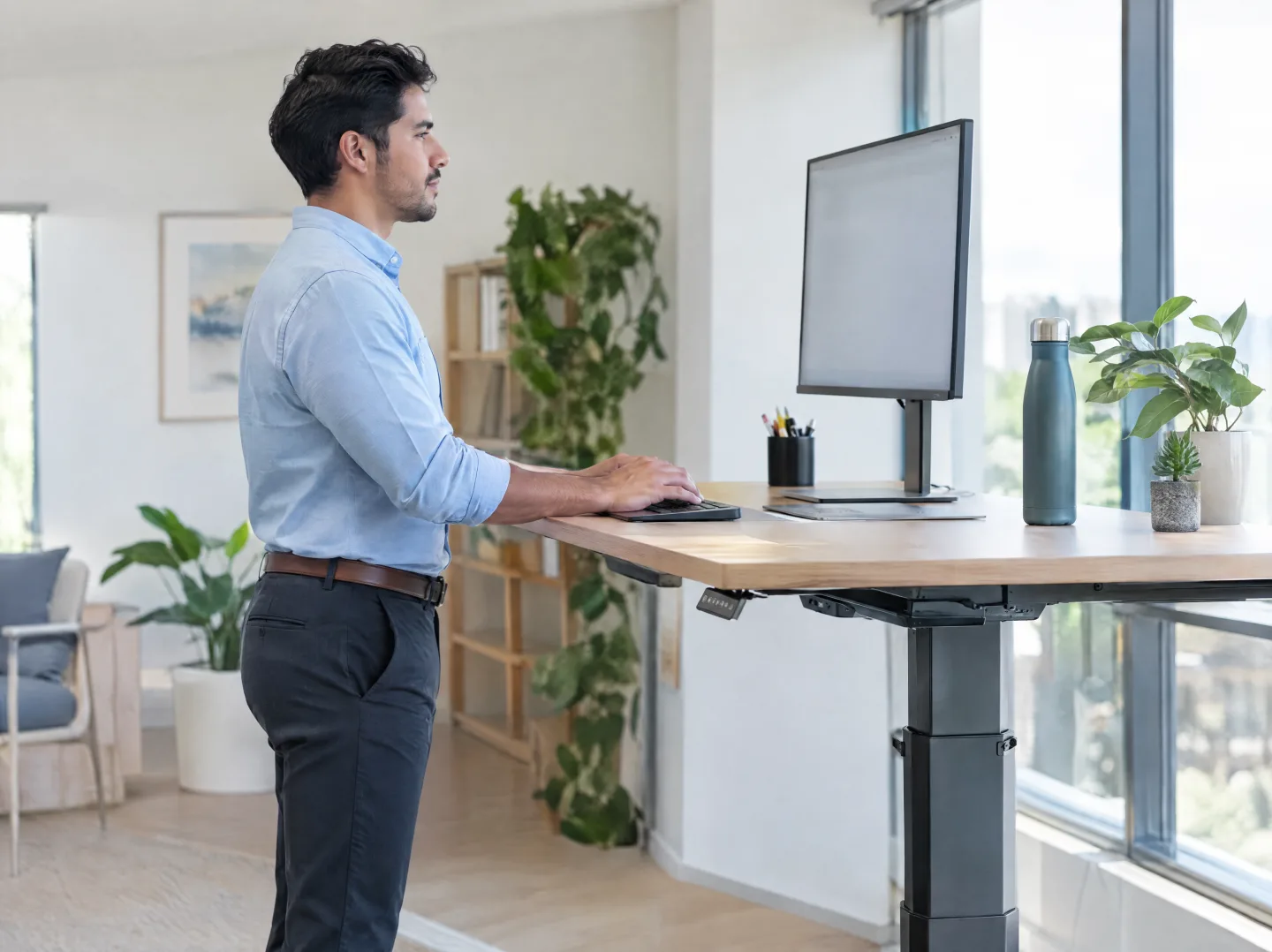
Eight hours in the chair, the traffic jam on the way home, and then the couch. For many people in Panama, the day is spent almost entirely sitting, and the lower back feels it. Lower back pain is one of the most common complaints among office workers, and although it can have many causes, a few simple habits often make a difference.
The best posture is your next one
We tend to look for the perfect posture, but the body appreciates change more than stillness. Even a good posture gets heavy if you hold it for hours. The goal is not to sit "straight" without moving, but to alternate positions throughout the day.
Quick adjustments at your desk
- Feet supported: flat on the floor or on a footrest, with knees roughly level with your hips.
- Back supported: use the backrest; if your chair has no lumbar support, a small cushion or rolled towel can help.
- Screen in front of you: avoid twisting your torso to look at the monitor for hours.
- Keep things within reach: phone, documents, and keyboard close, so you do not lean over again and again.
- Wallet out of your back pocket: sitting on it tilts your pelvis without you noticing.
Stand up every 30 to 60 minutes
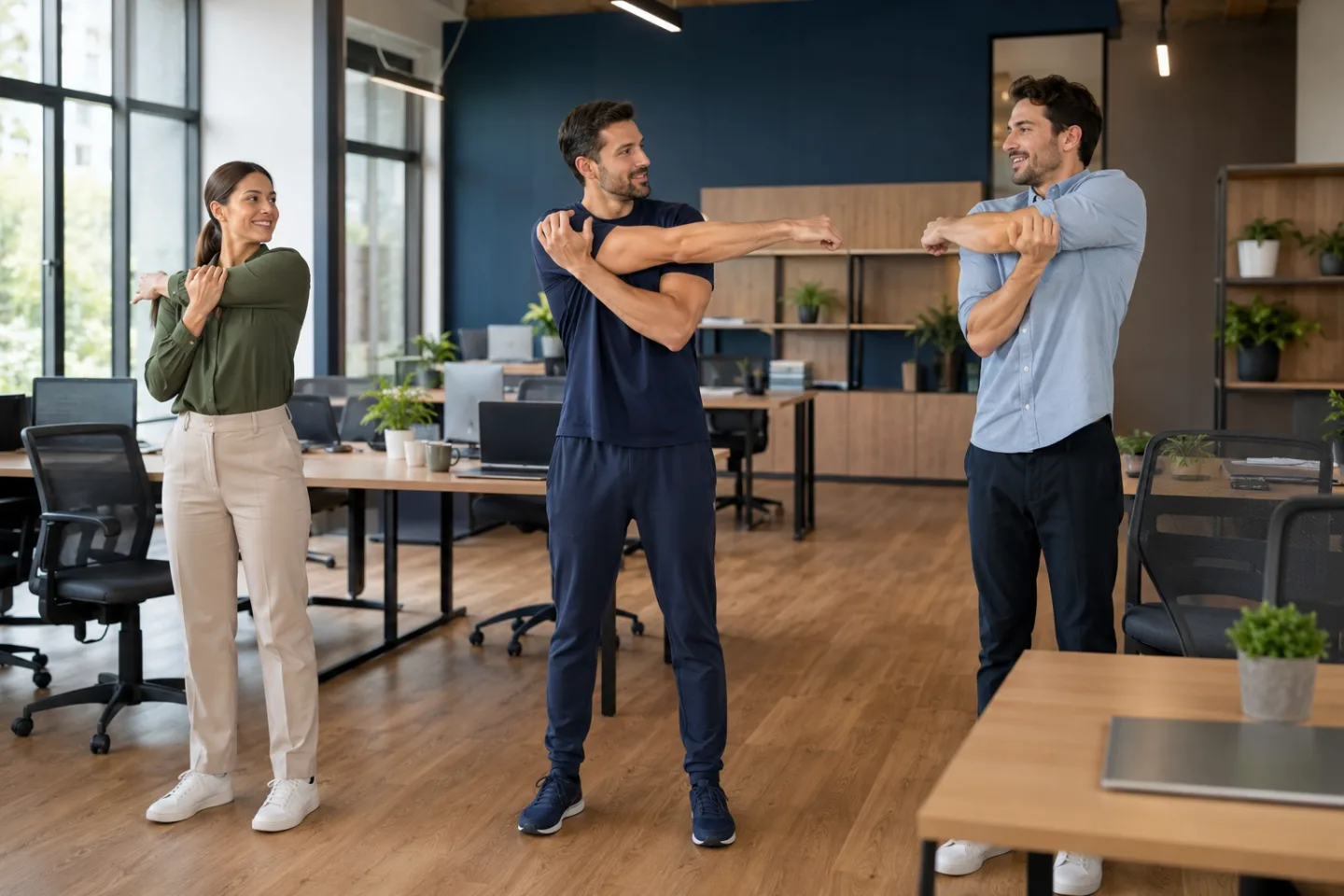
Set a gentle reminder or use every phone call as a cue to stand. A few ideas that fit into any workday:
- Walk to the water cooler or the farthest restroom.
- Take calls standing up when you do not need the computer.
- Suggest short standing or walking meetings if the team is up for it.
- Do a two- or three-minute active break with the movements below.
Gentle mobility for your lower back
These movements are comfortable and need no workout clothes. Do them slowly and without pain:
- Hip circles: standing with hands on your waist, draw small circles with your pelvis in both directions.
- Seated pelvic tilt: in your chair, gently rock your pelvis forward and back, as if balancing a bowl of water.
- Knee to chest: seated, hug one knee toward your chest for a few seconds; switch legs.
- Gentle standing extension: hands on your lower back, lift your chest slightly without forcing it.
- Walking: still one of the best movements for your back.
If a movement increases your pain, it is not for you today. Reduce the range or choose another one.
When to see a professional
See a health professional if the pain is intense or lasts several weeks, if it travels down your leg, if you notice tingling, numbness, or loss of strength, or if it started after a fall or a blow. Those signs need an assessment, not just new habits.
When your back is already loaded
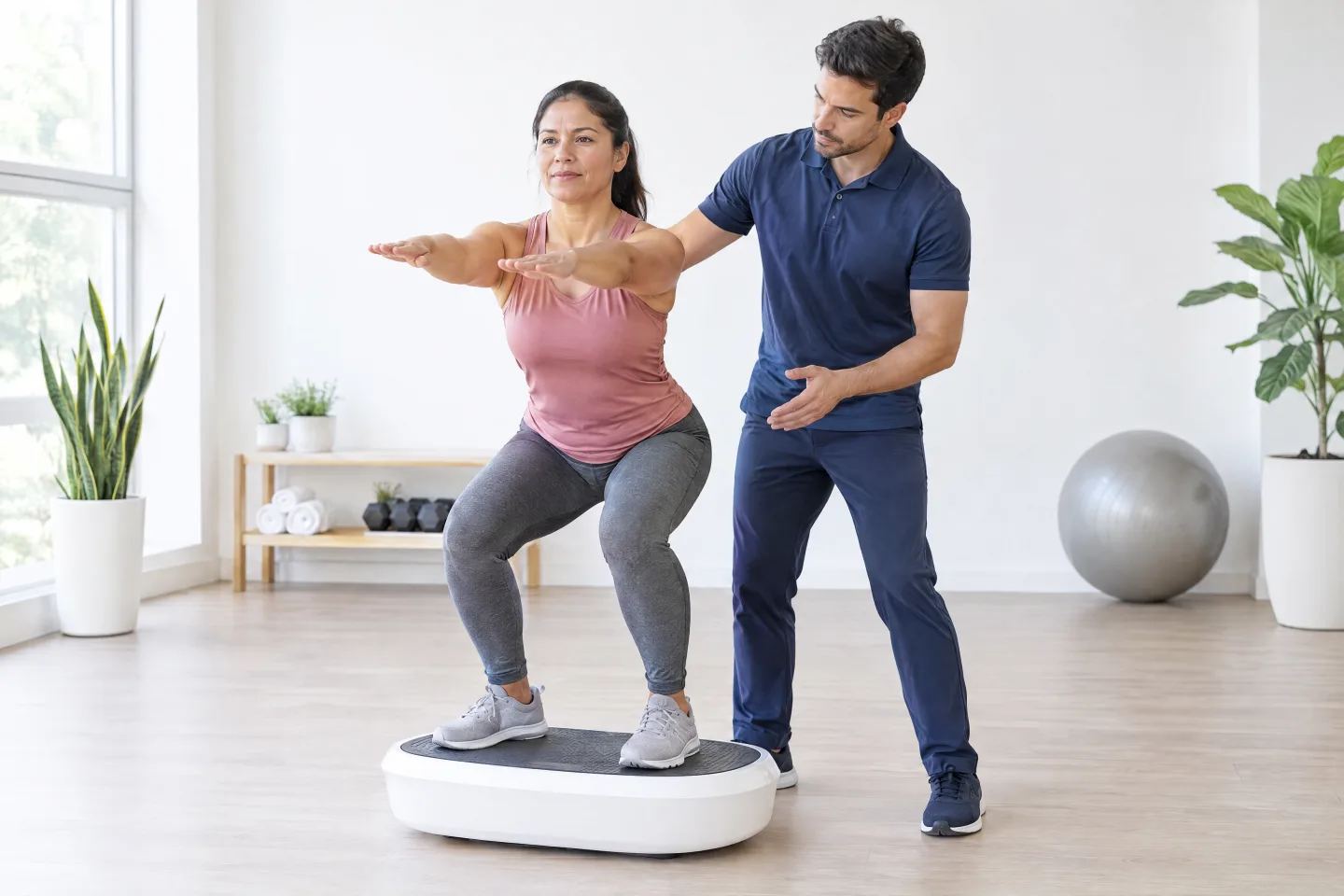
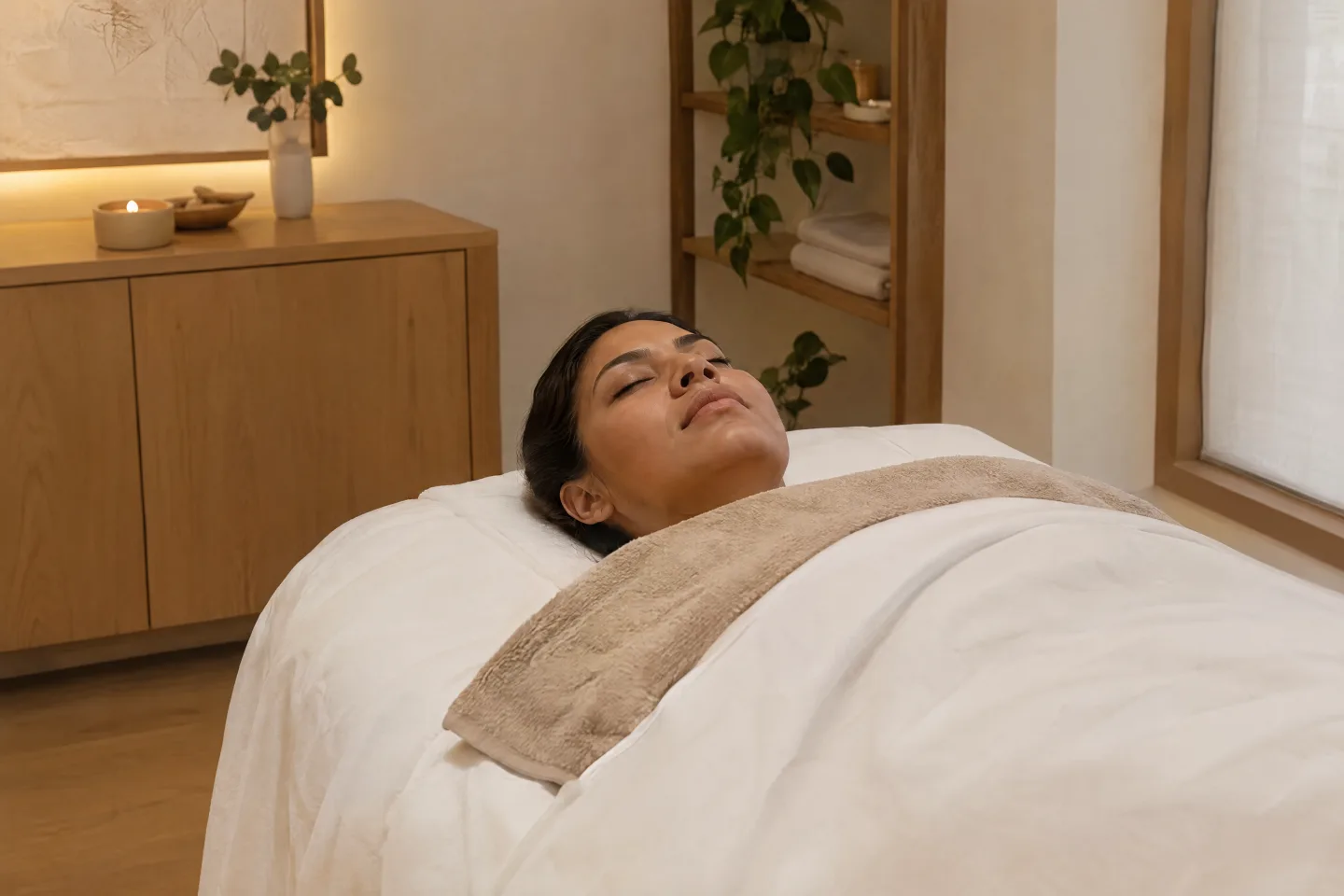
Besides moving more, good hands-on care can help release built-up tension. At our aesthetic studio in Obarrio we offer muscle relief and recovery and deep tissue massage for the back, neck, and shoulders. And if your whole team spends the day sitting, explore our active breaks for companies.